Your nonprofit can boost engagement and fundraising success with donor segmentation best practices. By understanding the unique preferences, behaviors, and needs of different donor groups, nonprofits can craft personalized communications and campaigns that resonate more deeply with their supporters.
Let’s explore donor segmentation, discuss why it’s essential, and share donor segmentation best practices and advanced strategies to help your nonprofit maximize this powerful tool. Whether you’re a nonprofit professional, a fundraising expert, or a marketing manager, mastering donor segmentation best practices can transform your approach to donor engagement.
What Is Donor Segmentation?
Donor segmentation is the process of dividing your donor base into distinct groups based on shared characteristics. These characteristics could include donation amount, frequency of giving, engagement history, or even communication preferences. By grouping donors with similar traits, nonprofits can tailor their outreach efforts to align more closely with each segment’s unique preferences and motivations.
Imagine your donor base as a diverse garden. Each plant requires different care—some need more sunlight, others need extra water. Similarly, your donors have varying needs and preferences, and treating them all the same can lead to missed opportunities for connection and support.
Why Segment Your Donors?
Segmenting your donors enables you to tailor your communications, ensuring that each donor feels valued and understood. This personalized approach can lead to higher donor retention, as supporters are more inclined to continue giving when they feel recognized and appreciated.
Segmentation also allows you to identify your most engaged and valuable donors, helping you concentrate your efforts where they will have the greatest impact. For instance, a targeted campaign aimed at lapsed donors can reignite their interest and encourage them to renew their support.
Donor segmentation goes beyond simply dividing your donor base—it enhances relationships, boosts engagement, and increases donor lifetime value.
Essential Data for Effective Donor Segmentation
To segment your donors effectively, you need to gather and analyze specific data points. Here are the key types of data that should inform your segmentation strategy:
- Demographic information: Age, gender, location, and occupation can provide insights into who your donors are.
- Donation history: Tracking the frequency, amount, and recency of donations helps in identifying patterns and preferences.
- Engagement metrics: Understanding how often donors interact with your nonprofit through events, newsletters, and social media can guide segmentation.
- Communication preferences: Knowing how donors prefer to be contacted—whether by email, phone, or direct mail—ensures your messages reach them in the most effective way.
By collecting and analyzing this data, you can create segments that are not only meaningful but also actionable, enabling you to craft targeted campaigns that resonate with each group.
Core Donor Segments Every Nonprofit Should Consider
Every nonprofit has a unique donor base, but certain segments are common across all organizations. Below are the core donor segments you should consider when developing your strategy:
First-Time Donors
First impressions matter—make your welcome memorable.
First-time donors are at the beginning of their journey with your organization. This group is crucial because how you engage them now can determine whether they become long-term supporters. Personalized thank-you messages and introductory information about your nonprofit can make a significant impact.
Monthly Donors
Building loyalty through consistent support.
Monthly donors provide reliable income, which is the lifeblood of many nonprofits. Treat this group with special care, offering them exclusive updates, behind-the-scenes looks, and special recognition to reinforce their commitment.
Lapsed Donors
Reignite the passion that brought them to you initially.
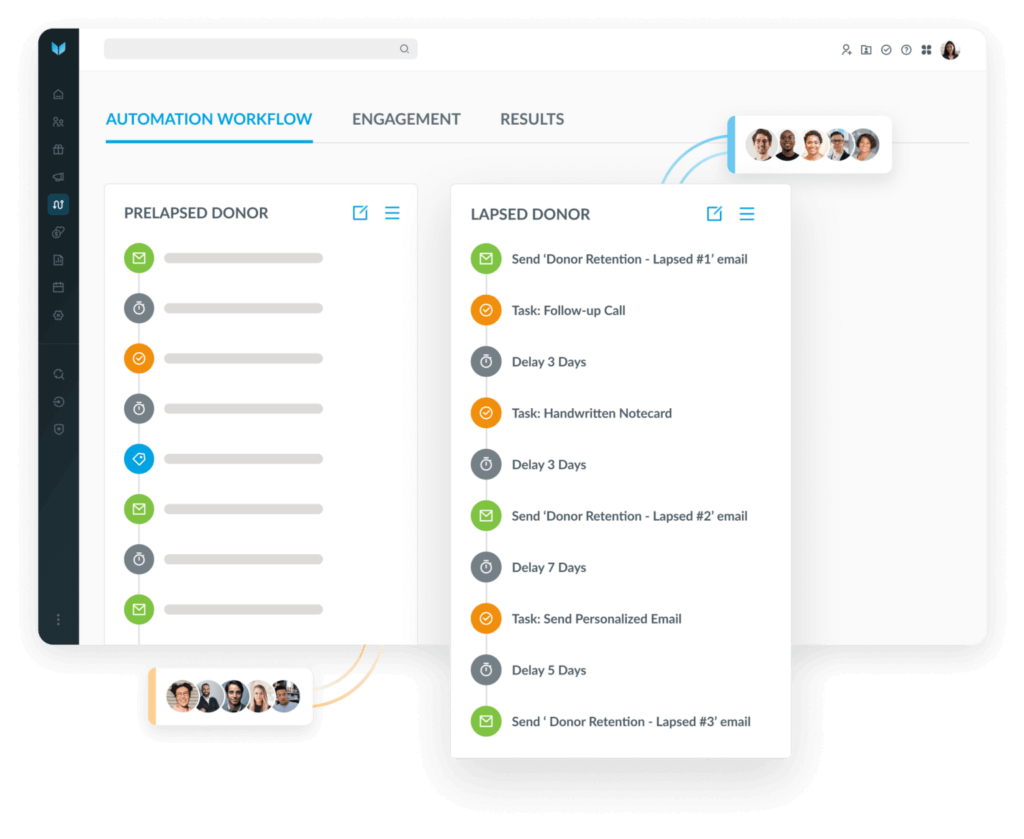
Lapsed donors are those who have stopped giving. Understanding why can help you re-engage them. Personalized reactivation campaigns that remind them of their past impact and update them on new developments can be effective.
Long-Term Donors
Rewarding loyalty to deepen connections.
Long-term donors have been with you through thick and thin. They are often the backbone of your fundraising efforts. Show your appreciation through special recognition and opportunities to get involved in meaningful ways.
Volunteers
Engagement beyond the wallet—activating your most dedicated supporters.
Volunteers give their time, which is just as valuable as financial contributions. Recognize their efforts and consider cross-promoting donation opportunities to this group, as they are often willing to contribute in multiple ways.
Social Media Followers
Tap into the power of online communities.
Social media followers might not be donors yet, but they are interested in your cause. Segmenting them allows you to convert interest into action, encouraging donations, event participation, or volunteer work.
Donors by Donation Amount
Recognize everyone, from small gifts to major contributions.
Segmenting donors by donation amount allows you to tailor your outreach. Major donors might appreciate more personal engagement, while smaller donors can be encouraged through community-building initiatives.
Communication Preferences
Meet your donors where they are most comfortable.
Understanding how your donors prefer to be contacted is key to ensuring your messages are well-received. Segmenting by communication preferences can increase the engagement of your campaigns.
Donor Segmentation Best Practices
Creating effective donor segments requires a thoughtful approach. Here are some best practices to guide you:
- Start small: Begin with a few key segments and expand as you gather more data.
- Use data wisely: Ensure that the data you use is accurate and up-to-date to avoid misclassifying donors.
- Reassess regularly: Donor behaviors and preferences change over time. Regularly review and update your segments to ensure they remain relevant.
- Focus on actionability: Create segments that allow you to take specific, targeted actions. Avoid over-segmentation that can lead to complexity without added value.
By following these best practices, you can create a donor segmentation strategy that enhances your nonprofit’s ability to connect with and engage your supporters.
Using Segmentation to Tailor Communications
Once you’ve segmented your donors, the next step is to tailor your communications to match the preferences and motivations of each group. Here’s how:
- Personalized greetings: Start with a personal touch, using the donor’s name and referencing their past contributions or interactions with your nonprofit.
- Segment-specific content: Develop content that speaks directly to each segment’s interests and concerns. For example, monthly donors might appreciate updates on how their regular contributions are making a sustained impact.
- Channel optimization: Use the preferred communication channels of each segment, whether that’s email, direct mail, social media, or phone calls. This ensures that your message is delivered in the way they are most likely to engage with.
Tailored communications not only enhance engagement but also build stronger, more personal relationships with your donors, increasing the likelihood of continued support.
Leveraging Technology in Donor Segmentation Best Practices
Technology has made donor segmentation more accessible and impactful than ever. Here’s how you can leverage it:
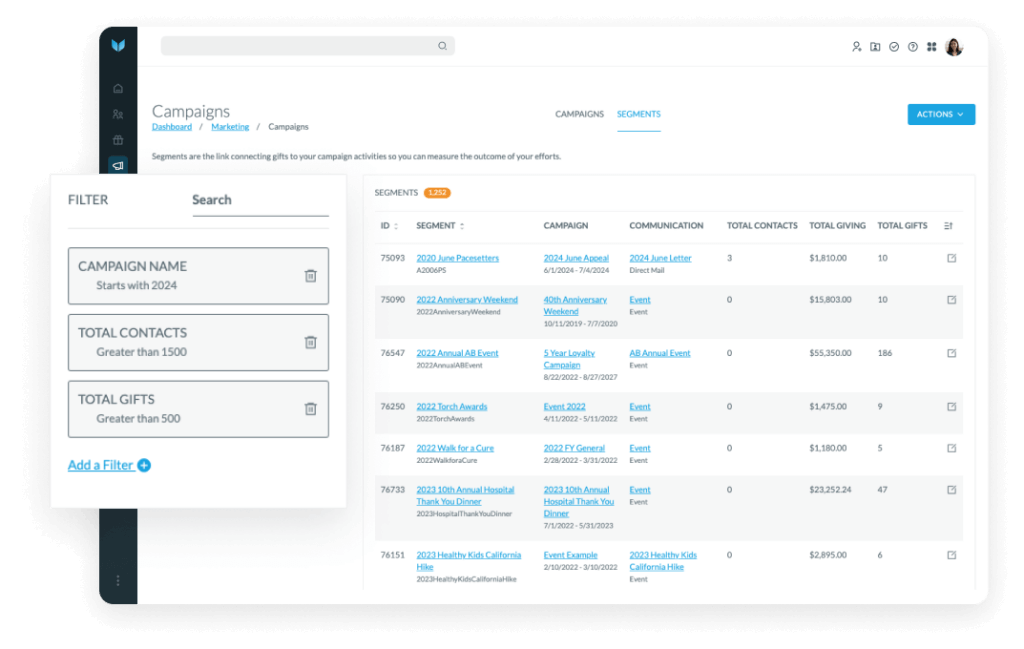
- CRM system: A good Customer Relationship Management (CRM) system can automate segmentation based on your criteria, making it easier to manage large donor databases.
- Data analytics: Use data analytics tools to uncover patterns and trends within your donor data, helping to refine and improve your segmentation over time.
- Automation tools: Marketing automation for nonprofits can optimize your communication processes, ensuring that the right messages reach the right donors at the right time without manual intervention.
Virtuous gives you the nonprofit CRM, fundraising, volunteer, and marketing tools you need to create responsive experiences that build trust and grow impact.
Advanced Segmentation Strategies
If you’re ready to take your segmentation to the next level, consider these advanced strategies:
- Cause affinity segmentation: Group donors based on their affinity for specific causes or projects within your organization. This allows for hyper-targeted campaigns that align with their passions.
- Event participation: Segment donors by their involvement in events, whether virtual or in-person. Tailor follow-up communications to their level of engagement.
- Interest-based segmentation: Go beyond donations and segment donors based on their interests, such as education, healthcare, or environmental causes. This can lead to more meaningful and resonant outreach.
These advanced strategies require more data and analysis but can significantly enhance your ability to connect with donors on a deeper, more personal level.